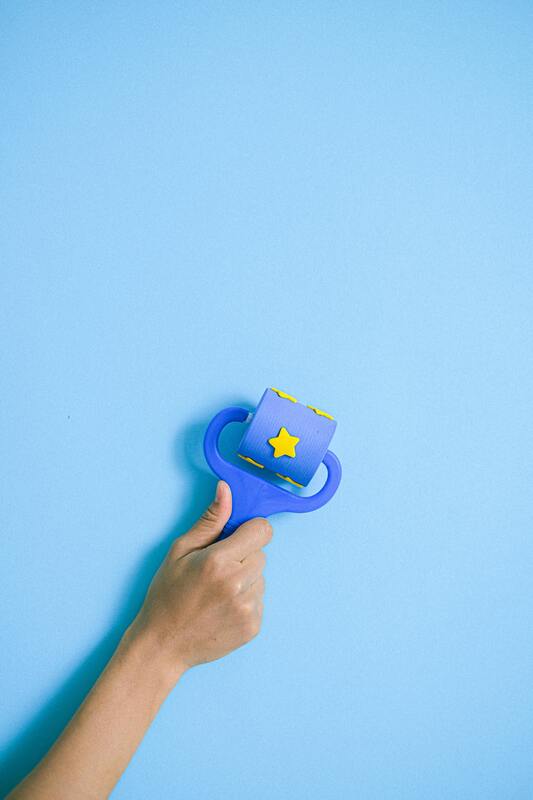
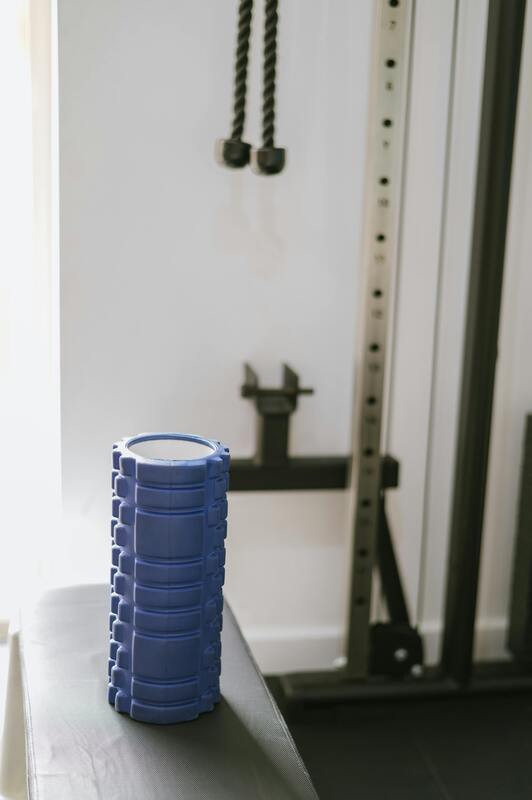
A foam roller is basically a tube of hard foam. People use it to massage themselves and loosen up tight muscles, ease soreness, reduce swelling, and help them move their joints more freely.


1. Density-wise:
- Soft (not very dense): These are gentle and good if you're just starting out or have sensitive spots.
- Medium: These are a good all-around choice.
- Firm (very dense): These give deep pressure, so they're better if you're experienced or an athlete.
2. Texture-wise:
- Smooth: These give even pressure and are easy to use.
- Textured (with bumps or ridges): These target deeper tissues and specific trigger points.
3. Shape and size-wise:
- Standard (about 6 wide, 12–36 long): These are the most useful because they can perform many functions.
- Short (about 12): Great for travel or working on smaller muscles.
- Mini (less than 12): Use these on your feet, hands, or when you travel.
- Ball or peanut-shaped: Better for working on your spine and targeting specific areas.
Foam rolling? Here's the lowdown:
It presses on that stuff around your muscles, called fascia.
Gets your blood moving, which can loosen up those tight spots.
Tells your body to chill out and loosen up those muscles.
Can help your muscles line up better and move easier.
- Soft (not very dense): These are gentle and good if you're just starting out or have sensitive spots.
- Medium: These are a good all-around choice.
- Firm (very dense): These give deep pressure, so they're better if you're experienced or an athlete.
2. Texture-wise:
- Smooth: These give even pressure and are easy to use.
- Textured (with bumps or ridges): These target deeper tissues and specific trigger points.
3. Shape and size-wise:
- Standard (about 6 wide, 12–36 long): These are the most useful because they can perform many functions.
- Short (about 12): Great for travel or working on smaller muscles.
- Mini (less than 12): Use these on your feet, hands, or when you travel.
- Ball or peanut-shaped: Better for working on your spine and targeting specific areas.
Foam rolling? Here's the lowdown:
It presses on that stuff around your muscles, called fascia.
Gets your blood moving, which can loosen up those tight spots.
Tells your body to chill out and loosen up those muscles.
Can help your muscles line up better and move easier.
|
|
|
🏋️♂️ Foam Rolling Perks:
* Eases sore and tight muscles * Boosts flexibility * Gets your blood flowing better * Speeds up recovery after workouts * Helps keep you from getting hurt * Fixes your posture * Chills you out by cutting stress |
⚠️ Things to keep in mind:
Don't roll right over your joints, bones, or lower back. If you've already got an injury, check with a doctor before you start. Rolling too hard can lead to bruises or swelling. Keep drinking water – rolling changes how fluid moves in your fascia. |
🕒 When to Use a Foam Roller
1. Before you work out
To get your muscles ready and move easier.
2. After you work out
To help your body bounce back faster and hurt less.
3. Whenever you want
To chill out, get better posture, or just take care of your body.
1. Before you work out
To get your muscles ready and move easier.
2. After you work out
To help your body bounce back faster and hurt less.
3. Whenever you want
To chill out, get better posture, or just take care of your body.
Okay, here's a more human way to talk about foam rolling:
✅ Foam Rolling Basics
If you're just starting out, go easy.
Roll nice and slow – about an inch each second.
Work on each muscle group for about 30 seconds to a minute.
If you find a spot that's really sore, stop and take some deep breaths. Hold the pressure there for 20-30 seconds.
Don't roll right over any areas that hurt or where you're injured.
Try to relax while you roll – don't tighten up.
Breathe evenly to help stay relaxed.
🔄 Other Options Besides Foam Rolling
You could get a massage.
Try stretching.
Do some yoga.
Use hot or cold packs.
Try a massage gun.
Do some mobility exercises.
🔧 Keeping Your Roller Clean
Wipe it down with a damp cloth and a little soap after you use it.
Let it dry on its own.
Keep it out of direct sunlight and away from extreme heat or cold.
🤔 How Often Should You Do It?
To get the most out of it, try to roll every day, or at least 3-5 times a week.
You can do it after you work out, or make it part of your morning or nighttime routine.
✅ Foam Rolling Basics
If you're just starting out, go easy.
Roll nice and slow – about an inch each second.
Work on each muscle group for about 30 seconds to a minute.
If you find a spot that's really sore, stop and take some deep breaths. Hold the pressure there for 20-30 seconds.
Don't roll right over any areas that hurt or where you're injured.
Try to relax while you roll – don't tighten up.
Breathe evenly to help stay relaxed.
🔄 Other Options Besides Foam Rolling
You could get a massage.
Try stretching.
Do some yoga.
Use hot or cold packs.
Try a massage gun.
Do some mobility exercises.
🔧 Keeping Your Roller Clean
Wipe it down with a damp cloth and a little soap after you use it.
Let it dry on its own.
Keep it out of direct sunlight and away from extreme heat or cold.
🤔 How Often Should You Do It?
To get the most out of it, try to roll every day, or at least 3-5 times a week.
You can do it after you work out, or make it part of your morning or nighttime routine.